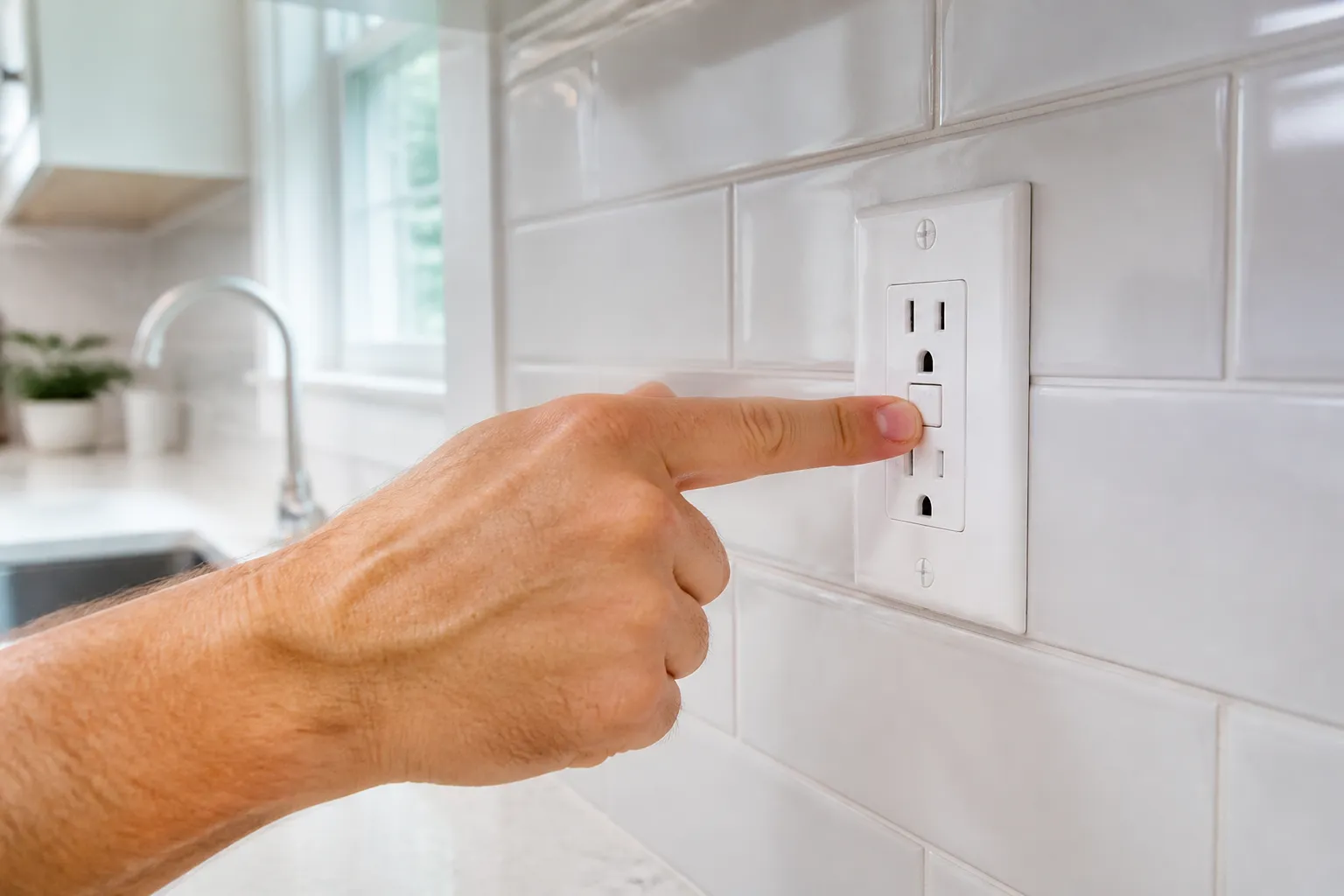
If you just bought an EV, you have probably seen two options for home charging: a “Level 2 charger” and a “Tesla charger.” It sounds like a choice between two different technologies. It is not. A Tesla Wall Connector is a Level 2 charger. Both run on a 240V circuit and charge far faster than a standard wall outlet.
The real decision is about the plug on the end of the cable, how much power your home can spare, where the charger will go, and how you use your car. This guide walks through each point for homeowners in Dublin, CA.
What Level 2 charging actually means
Level 1 charging uses a regular 120V household outlet. It adds only a few miles of range per hour, which is fine for a light commute but slow for most daily driving. Level 2 charging uses a 240V circuit, similar to what powers an electric dryer or oven. It can usually refill a typical daily commute overnight, and often a lot more.
Any charger in this category is a Level 2 charger, whether it comes from Tesla, ChargePoint, Emporia, Wallbox or another maker. If you want to see what a full installation involves, our Level 2 charger installation page covers it.
What is different about a Tesla charger
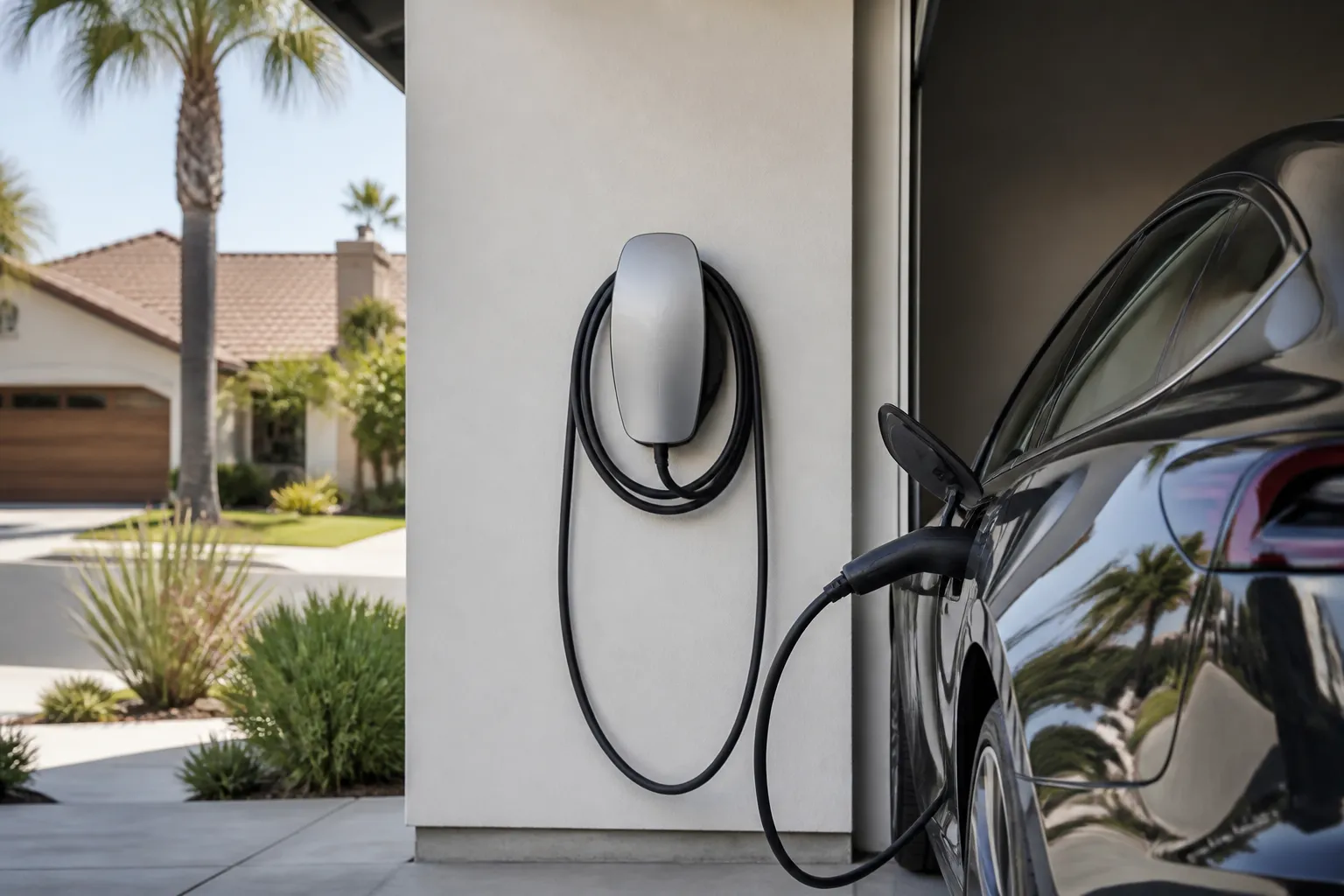
The Tesla Wall Connector uses Tesla’s NACS plug. It connects to the Tesla app, charges at up to 48 amps on a 60 amp circuit, and looks clean on a garage wall. Tesla also sells a Universal Wall Connector with a built-in adapter, so it can charge both NACS vehicles and cars with the standard J1772 port.
That flexibility matters if your household has more than one EV, or if you might switch cars in a few years. Many automakers have moved toward the NACS port, but plenty of cars on the road still use J1772. If you want details on the Tesla option, see our Tesla charger installation page.
What a third-party Level 2 charger offers
Third-party chargers from brands like ChargePoint, Emporia and Wallbox typically come with a J1772 plug, and some models offer NACS. Their strengths are often in the software and the electrical features:
- Dedicated apps with energy tracking and scheduling.
- Plug-in models that run on a 240V outlet, usually at around 40 amps.
- Hardwired models that can reach 48 amps.
- On select models, load management that adjusts charging based on what the rest of your home is using.
Tesla drivers can use a third-party J1772 charger with an adapter. Non-Tesla drivers can use a Tesla charger only if it has the universal connector or they have the right adapter. For a broader overview of how installs work, visit our EV charger installation page.
Check your electrical panel first
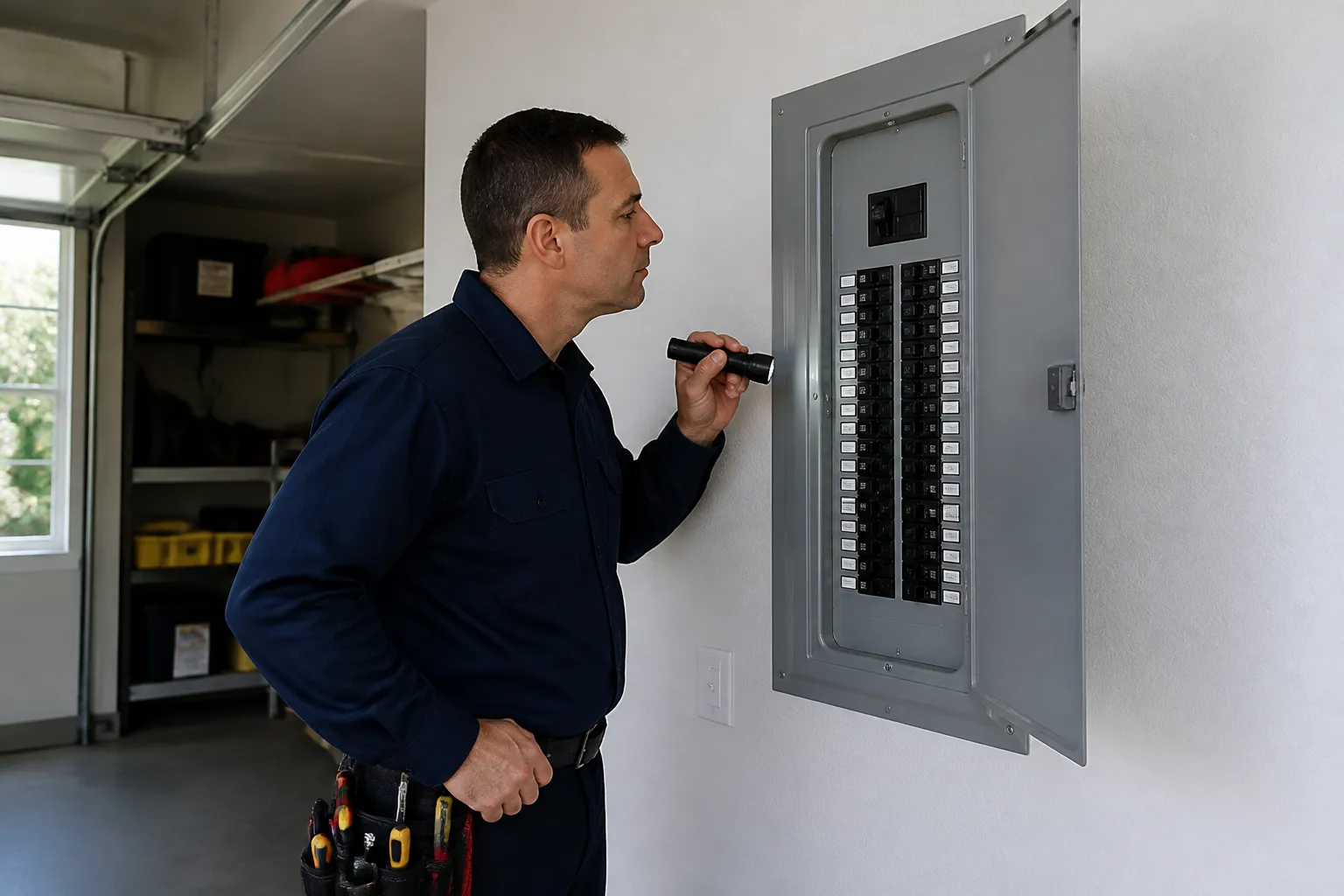
Before you pick a charger, look at your panel. Charging is a large, steady load, and a 48 amp charger needs a dedicated 60 amp circuit. Older homes with a 100 amp or 125 amp main panel may not have room for that on top of an oven, dryer, HVAC and everything else.
Newer Dublin neighborhoods such as Dublin Ranch often have 200 amp service, which usually makes adding a charger simpler. Older homes may need a closer look. An electrician will check:
- The size of your main service.
- How many open breaker slots you have.
- The calculated load of your current appliances.
- The condition of the panel itself.
If the panel is near capacity, you have two paths. One is a panel or service upgrade, which costs more up front but gives you room for the future. The other is a charger with load management or a lower amperage setting, which can let you charge safely without upgrading. Neither is right for every home, which is why a load calculation matters.
Think about where the charger will go
Location affects cost and convenience more than most people expect. Consider these points:
- Distance from the panel. A longer wire run from the panel to the garage wall means more labor and materials.
- Cable reach. Make sure the cable can reach your charge port, including if you park in different positions or add a second car.
- Garage or driveway. Outdoor installs need a weather-rated unit and proper conduit.
- Wall type. Finished walls, stucco and detached garages can change how the wiring is routed.
- Parking layout. Some Tesla and J1772 ports sit on different sides of the car, so cable length and mounting height matter.
Match the charger to how you drive
Faster is not always necessary. If you drive 30 to 40 miles a day, even a modest Level 2 setup will refill your battery overnight. If you have a long commute, regular trips over the Altamont or down to the South Bay, or two EVs sharing a garage, a higher amperage charger or load sharing makes more sense.
Ask yourself:
- How many miles do I drive on a typical day?
- Do I have one EV or more than one?
- Might I change vehicle brands in the next several years?
- Do I want app features, scheduling and energy tracking?
Time-of-use rates and scheduling
Dublin homes get power through PG&E, with generation often supplied by Ava Community Energy. Many EV owners look at a time-of-use plan designed for EVs, where overnight electricity costs less. Both Tesla and third-party apps let you set charging windows, and many cars can do the same from their own screen. Check current plan details with your utility before you switch, since rates change.
When each option makes sense
A Tesla Wall Connector fits if:
- You drive a Tesla and want tight app integration.
- You like a simple, clean-looking unit.
- You choose the universal version because you may own a non-Tesla EV later.
A third-party Level 2 charger fits if:
- You drive a J1772 vehicle and want a native plug.
- Your panel is tight and you want load management.
- You want a plug-in unit or specific energy tracking features.
Permits and safety
A charger install usually involves a permit and an inspection. Wiring should be sized for continuous load, protected with the right breaker, and installed to code. This is not a good place for shortcuts, because chargers run for hours at a time. Hiring a licensed electrician also helps if your charger has warranty requirements for professional installation.
What affects the cost
We do not quote prices in a blog post, because every home is different. The main cost drivers are:
- The charger you choose.
- The distance from the panel to the install spot.
- Whether the panel needs an upgrade or load management.
- Indoor or outdoor mounting, and wall material.
- Permit and inspection requirements.
When to call a pro
Call an electrician if you are unsure about your panel size, you see signs of an older or crowded panel, you want a charger on a detached garage, or you plan to add a second charger. A short site visit can answer most of the questions above before you buy any hardware.
Ready to pick a charger?
If you are in Dublin, Pleasanton, San Ramon, Livermore, Danville or nearby, the Electrician Dublin team can look at your panel, your garage and your driving habits and recommend a setup that fits. Request an Estimate when you are ready.