Your electrical panel is the center of your home’s power. Every circuit runs through it, and it is meant to shut power off when something goes wrong. When it gets old, overloaded or damaged, it can stop doing that job well. Many homes in Dublin, especially the older ones in West Dublin, have panels that were never designed for today’s electrical demands.
This guide covers the warning signs we tell Dublin homeowners to watch for, what causes them, and when to call a licensed electrician.
Breakers that trip often
A breaker is supposed to trip when a circuit is overloaded. That is normal now and then. But if a breaker trips whenever you run the microwave, a hair dryer or a vacuum, the circuit is working at its limit. Sometimes the cause is a single bad breaker or a faulty appliance. Sometimes the whole panel is too small for the way your household uses power.
Pay attention to patterns. If the same breaker trips again and again, or several breakers trip in the same week, have it checked. Do not tape a breaker in place or swap in a larger one. A bigger breaker on the same wire can let the wire overheat.
Flickering or dimming lights
Lights that dim when the air conditioner, dryer or refrigerator turns on suggest the system is struggling to supply enough power. Occasional flicker can come from a loose bulb or a bad switch. Flicker across many rooms, or flicker that lines up with large appliances, points back to the panel or the service feeding it.
Loose connections inside the panel can also cause flicker. Those are a heat and fire concern, so they should not be ignored.
A panel that feels warm
A panel cover can feel slightly warm on a hot day. A cover or breaker handle that feels hot is different. Heat usually means a loose connection, an overloaded breaker or a failing part. Over time, that heat damages the breaker and the wiring around it.
If you notice heat, a burning smell, or dark scorch marks on the cover or around a breaker, stop using the affected circuits where you can and call an electrician right away.
Buzzing, hissing or crackling
A healthy panel is quiet. Buzzing, hissing or crackling can mean loose wiring or arcing, which is electricity jumping where it should not. Arcing produces intense heat. Do not open the panel yourself. Panels stay live inside even with the main breaker off, and only a licensed electrician should work in them.
An older panel or a known problem brand
Much of West Dublin was built between the 1960s and 1980s, and some homes from that period have panels that are now considered problems. Brands to look for on the panel door or the breakers include:
- Federal Pacific Electric (Stab-Lok): breakers may fail to trip during an overload.
- Zinsco or GTE-Sylvania: breaker contacts can melt onto the bus bar, so power may not shut off during a short circuit.
- Challenger: reported to overheat and damage the connections.
- Fuse boxes: screw-in fuses instead of breakers are a sign the system is well past due.
Insurers may also ask questions about these panels. If your home has one, an inspection is a good idea even if nothing seems wrong. Depending on what we find, the answer may be a full panel replacement.
Not enough amperage for how you live
Many older homes were built with 60-amp or 100-amp service. Most households today need more, and 200-amp service is common for newer upgrades. You may be outgrowing your panel if any of these apply:
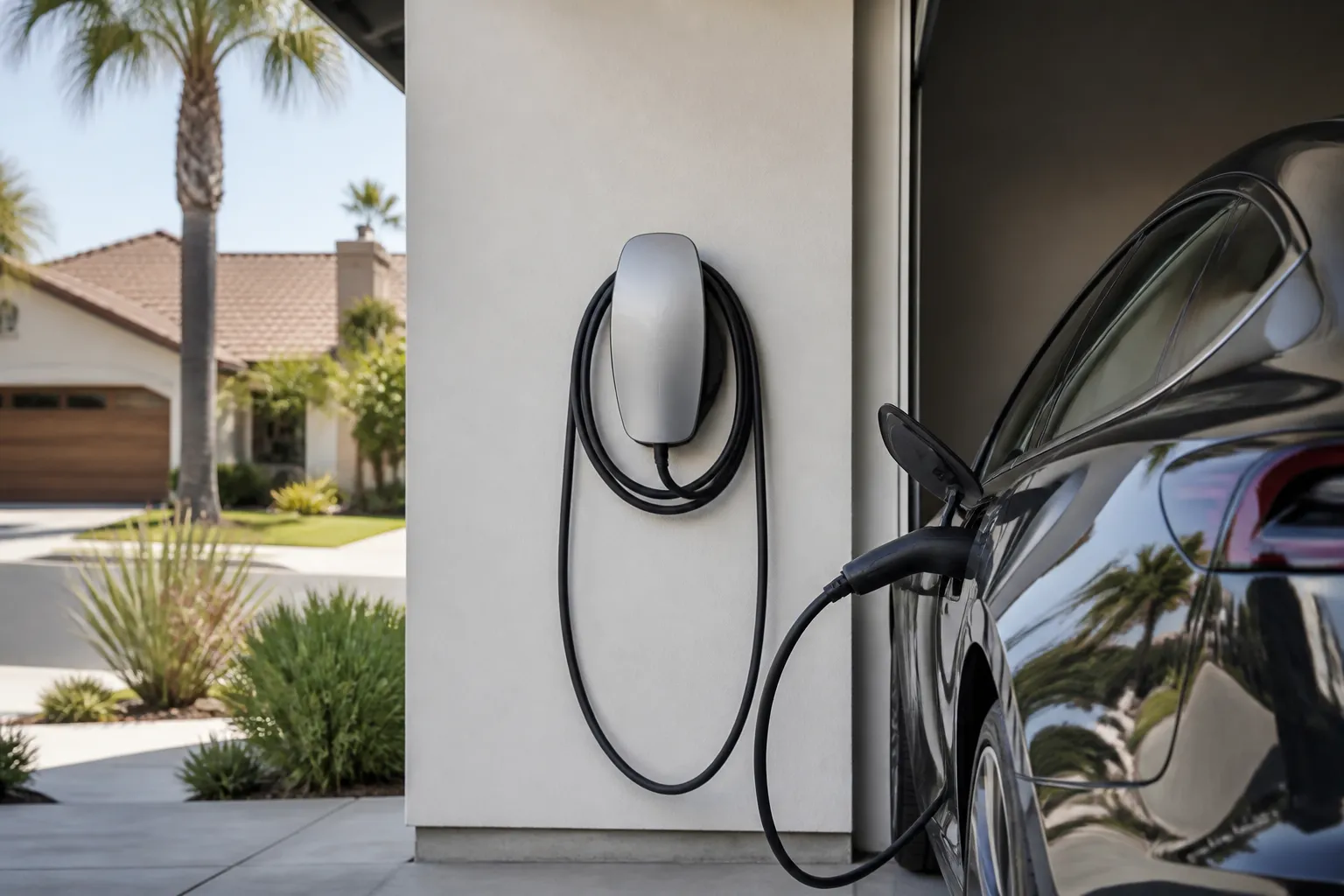
- You want an EV charger. A Level 2 charger (240 volts, often 30 to 50 amps) can push an older 100-amp panel past its limit.
- You are going electric. A heat pump HVAC system, heat pump water heater or induction cooktop adds real load.
- You are adding solar or battery storage. Solar connections often call for a main panel upgrade or a changed main breaker to meet code.
- Your panel is full. If every slot is used, or past work relied on doubled-up breakers, there is no room to grow.
In these cases the panel may be working fine today. The upgrade is about capacity for what you plan to add. Our electrical panel upgrades page explains how that process works.
Repair or replace?
Not every panel problem means a new panel. A single failed breaker, a corroded connection or a damaged part can sometimes be fixed. That is where electrical panel repair fits.
Replacement makes more sense when the panel is a known problem brand, shows heat damage or rust, has no open slots, or cannot handle your load. An electrician can inspect the panel and tell you which path fits your home.
What affects the cost
We will not guess at a price without seeing your home. These are the things that usually move the cost of a panel project:
- The size of the new service, such as 100 amps versus 200 amps.
- Whether the meter base, service wiring or grounding also need work.
- The location of the panel and how easy it is to reach.
- Permit and utility coordination for the work.
- Extra circuits you want added, such as for an EV charger.
A written estimate should list these items so you can compare it with others.
When to call a pro
Call a licensed electrician soon if you notice any of the following:
- Breakers that trip repeatedly
- Lights that flicker or dim with large appliances
- A warm or hot panel cover
- Buzzing, hissing or crackling from the panel
- A burning smell or scorch marks
- A Federal Pacific, Zinsco, GTE-Sylvania or Challenger panel, or a fuse box
- Plans for an EV charger, solar, battery or all-electric appliances
If you smell burning or see smoke or sparks, treat it as an emergency, keep clear of the panel and call 911 if there is any sign of fire.
What to expect from an inspection
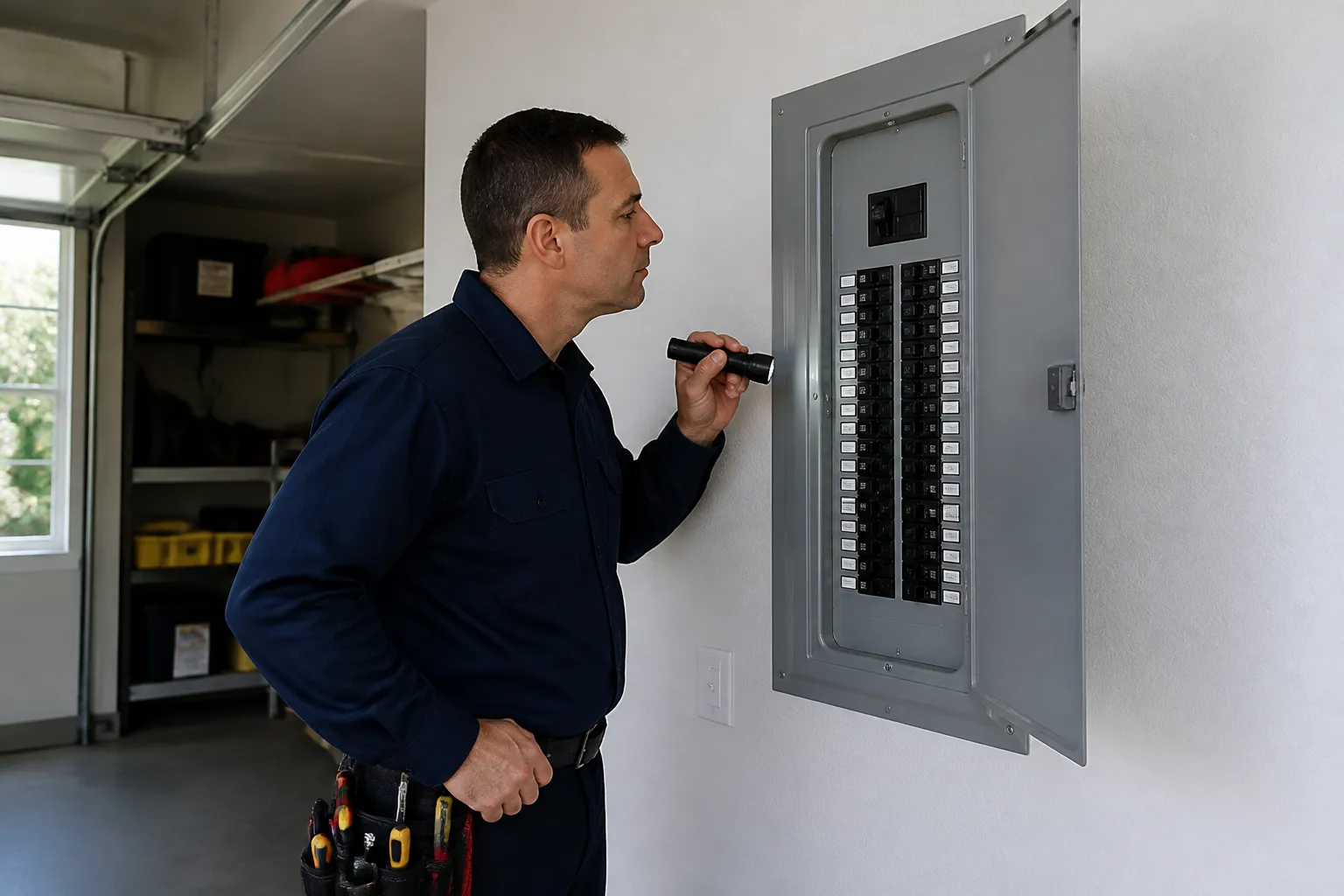
An electrician will look at the panel brand and age, check for heat damage, rust or loose connections, and compare your service size to your present and planned loads. Having a list of what you want to add, like a charger or a heat pump, helps the electrician size the work correctly the first time.
Request an estimate
If your Dublin home shows any of these signs, the Electrician Dublin team can take a look and explain your options in plain terms. Request an Estimate to get started.